
Prøvning af ampullers brudstyrke i farmaceutisk emballage
Den Prøvning af ampullers brudstyrke spiller en afgørende rolle i kvalitetskontrollen af lægemidler, især for injicerbare lægemidler, der er pakket i glasampuller. Ampullerne skal kunne åbnes let og rent på anvendelsesstedet, samtidig med at de bevarer tilstrækkelig mekanisk styrke under påfyldning, sterilisering, transport og håndtering. En ubalance i brudstyrken kan medføre alvorlige risici, herunder forurening med glaspartikler, personskade eller produkttab.
For producenter og kvalitetskontrolorganer leverer brudstyrketesten for ampuller objektive data, der gør det muligt at vurdere, om en ampul opfylder den krævede balance mellem sikkerhed og brugervenlighed. Denne test understøtter direkte overholdelsen af internationale standarder og bidrager til at sikre ensartet ydeevne på tværs af produktionspartier.
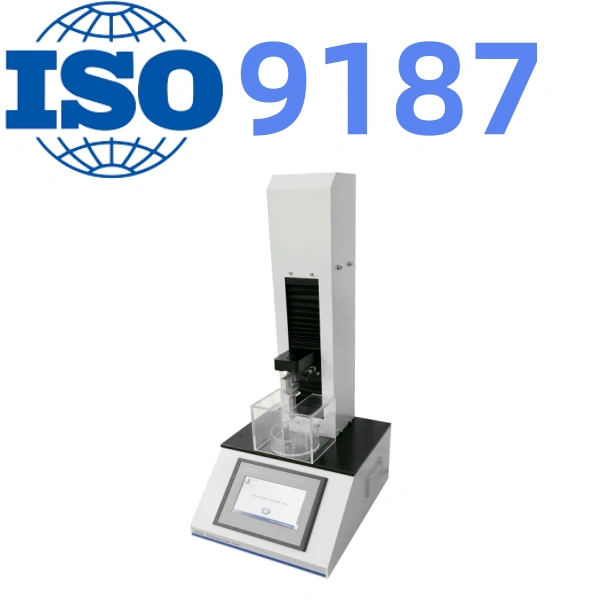
ISO 9187-1 Krav til ampullens brudstyrke
ISO 9187-1 og dens rolle i styrkekontrol
Den internationale standard ISO 9187 1 fastlægger de væsentlige krav til ampuller, der anvendes til injektionsvæsker, herunder hydrolytisk modstandsdygtighed, glødningskvalitet og brudstyrke. I denne standard fokuserer kravet til brudstyrke på ampuller, der er udstyret med et forudbestemt brudpunkt, såsom en keramisk ring eller en ridset indsnævring.
I henhold til ISO 9187-1 er ISO 9187-prøvning af brudstyrke vurderer den kraft, der kræves for at adskille ampullens stilk fra selve ampullen under kontrollerede forhold. Prøvningen sikrer, at ampullen brækker rent på det tilsigtede sted, hvilket minimerer risikoen for uregelmæssige brud eller glasskår. Standarden angiver specifikke kraftintervaller, der skal tjene som retningslinjer for godkendelseskriterierne for forskellige ampulltyper.
Princippet bag styrketesten for ampuller
Den Prøvning af ampullers brudstyrke måler den trækraft, der påføres vinkelret på ampullens akse, indtil der opstår brud ved brudpunktet. Under prøvningen placeres ampullen således, at den påførte belastning virker præcist på det ridsede eller markerede område. Den registrerede brudkraft afspejler både glassets kvalitet og ensartetheden i udformningen af brudpunktet.
Denne metode giver producenterne mulighed for at vurdere, om ampullens udformning opfylder de funktionelle krav uden at det kræver for stor kraft. Den bidrager desuden til procesoptimering under glasformning og udglødning.
Testudstyr og målenøjagtighed
Testudstyr til måling af brudstyrke på ampuller og testudstyr til måling af brudstyrke på glasampuller
Nøjagtige resultater afhænger af pålideligt udstyr. Et moderne testapparat til måling af brudstyrke på ampuller anvender typisk en kalibreret vejecelle og en kontrolleret forskydning eller kraftpåvirkning. Til farmaceutiske glasbeholdere anvendes en speciel Testapparat til måling af brudstyrken på glasampuller leverer stabile fastgørelsesanordninger, der sikrer gentagelig positionering og ensartede belastningsvinkler.
Internationale standarder anbefaler trækprøvningsmaskiner, der overholder ISO 7500-1, med kontrollerede prøvningshastigheder og passende kraftområder. Konsekvent kalibrering og verifikation bidrager til at reducere variabiliteten og forbedre datapålideligheden.
Nogle af de vigtigste ydeevneegenskaber, man bør tage i betragtning, er:
Stabil og gentagelig placering af prøver
Præcis kraftmåling med tilstrækkelig opløsning
Kontrolleret belastningshastighed for at undgå brud forårsaget af stød
Digital dataregistrering med henblik på sporbarhed
Testprocedure og overvejelser vedrørende prøveudtagning
I en standardbrudstyrketest af ampuller konditioneres prøverne ved en kontrolleret temperatur inden testen. Der udøves kraft, indtil der opstår brud, og brudstyrkeværdien registreres. Stikprøveudtagning baseret på anerkendte kontrolniveauer bidrager til at sikre, at resultaterne afspejler den samlede kvalitet i partiet.
Ud over de numeriske værdier bør operatørerne også holde øje med brudadfærden. A et klart og forudsigeligt brud ved det forudbestemte punkt er tegn på et godt ampuledesign og god produktionskontrol. Afvigelser kan være tegn på problemer med udglødning, præcisionen ved ridsningen eller materialets ensartethed.
Sammenhængen mellem brudstyrke og ampullernes kvalitet
Prøvningen af ampullernes brudstyrke er ikke en isoleret test. Den supplerer andre kvalitetsvurderinger, såsom hydrolytisk modstandsdygtighed og glødningskvalitet, som er defineret i ISO 9187, afsnit 1. Sammen afspejler disse parametre glasbeholderens samlede integritet.
En for stor brudkraft kan gøre produktet mindre brugervenligt for sundhedspersonale, mens en for lille brudkraft kan føre til utilsigtet brud under håndtering. Derfor skal producenterne fastlægge passende målværdier under udviklingsfasen og sikre, at disse overholdes gennem løbende kvalitetskontrol.
Støtte til overholdelse af farmaceutiske krav med Cell Instruments
Med omfattende erfaring inden for materialetestning og evaluering af farmaceutisk emballage, Cell-instrumenter leverer avancerede løsninger til test af ampullers brudstyrke. Vores testanlæg til måling af ampullers brudstyrke er udviklet til at opfylde testkravene i ISO 9187 og tilbyder samtidig fleksibilitet med hensyn til skræddersyede fastgørelsesanordninger, integration af automatisering og datahåndtering.
Ved at kombinere principperne for standardiserede prøver med praktisk erfaring fra branchen, Cell-instrumenter hjælper lægemiddelproducenter, kvalitetskontrolorganer og forskningslaboratorier med at gennemføre pålidelige og regeloverholdende styrketests af ampuller.
Konklusion
Den Prøvning af ampullers brudstyrke er et grundlæggende værktøj til kvalitetskontrol af emballage til injektionsvæsker. Ved at overholde kravene i ISO 9187-1 og gennemføre en velkontrolleret brudstyrketest i henhold til ISO 9187 kan producenterne sikre sikker håndtering, ren åbning og ensartet ydeevne for glasampuller. Med passende udstyr, såsom en højpræcisionsbrudstyrketester til glasampuller, og en klar forståelse af testprincipperne kan organisationer styrke overholdelsen af reglerne, reducere risikoen og forbedre produktkvaliteten i hele den farmaceutiske forsyningskæde.
 EN
EN  AR
AR  BG
BG  CS
CS  DA
DA  DE
DE  EL
EL  ES
ES  ET
ET  FI
FI  FR
FR  HU
HU  ID
ID  IT
IT  JA
JA  KO
KO  LT
LT  LV
LV  NB
NB  NL
NL  PL
PL  PT
PT  RO
RO  RU
RU  SK
SK  SL
SL  SV
SV  TR
TR  UK
UK  HE
HE  TH
TH  VI
VI