
Hydrolytic Resistance of Glass Grains: Understanding ISO 720 Testing
The hydrolytic resistance of glass grains is an important quality characteristic for glass used in pharmaceutical packaging, such as ampoules and vials. ISO 720 provides the testing standards to evaluate this property, which is crucial for ensuring the chemical durability of glass when it comes into contact with substances like water. This article will delve into the specifics of the hydrolytic resistance of glass grains and the testing procedures outlined in ISO 720 to help you understand its role in product safety and integrity.
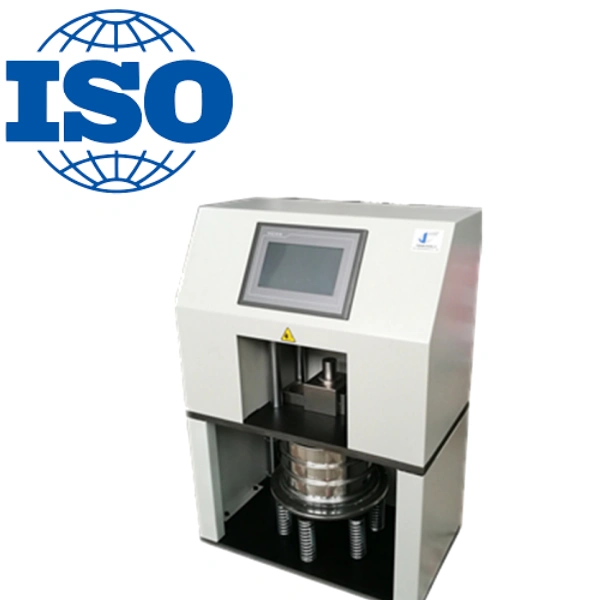
ISO 720 and Its Role in Testing Hydrolytic Resistance of Glass Grains
ISO 720 specifies the method for determining the hydrolytic resistance of glass grains, specifically focusing on glass that is used in packaging systems for pharmaceutical products. The test evaluates how resistant glass grains are to hydrolytic attack when exposed to an aqueous environment at 121 °C, which simulates conditions similar to sterilization.
By testing glass under these conditions, the method helps ensure that the packaging materials do not release harmful ions or impurities into the product, which could compromise the quality of the drug or medical device it contains.
The Hydrolytic Resistance Test: How It Works
The hydrolytic resistance test involves exposing a sample of glass grains to Grade 2 water under specific conditions. Typically, 10 grams of glass grains, with particle sizes between 300 μm and 425 μm, are extracted in water at 121 °C for 30 minutes. After the extraction, the degree of hydrolytic attack is measured by analyzing the extracted solution.
The results are used to calculate the amount of alkaline substances released from the glass, which indicates its chemical durability. If the glass has an excessively low alkaline content or is free from alkaline species, the method may not be applicable, as it only measures the alkaline release.
Glass Grain Hydrolytic Resistance Tester: Essential for Accurate Testing
A glass grain hydrolytic resistance tester is the essential instrument for performing the hydrolytic resistance of glass grains test. This tester ensures that the correct temperature, pressure, and time conditions are maintained throughout the process. The precision of the testing equipment is critical for obtaining reliable results, and Cell Instruments offers state-of-the-art equipment to meet the specific needs of pharmaceutical packaging testing.
The tester operates by maintaining a controlled environment, where the hydrolytic resistance of glass grains can be evaluated accurately. The equipment is designed to handle the extraction and measurement of the glass’s response to aqueous solutions, ensuring consistency in every test performed.
Why Hydrolytic Resistance is Critical for Pharmaceutical Packaging
The hydrolytic resistance of glass grains is essential for determining the suitability of glass containers used for pharmaceutical products. Glass, especially for injectable products like ampoules, vials, and pre-filled syringes, must maintain its integrity and prevent any chemical leaching into the drug. Hydrolytic attack can cause degradation of the glass, leading to the release of ions, such as sodium, which could interact with the pharmaceutical product, potentially compromising its efficacy.
The hydrolytic resistance test ensures that glass containers can withstand sterilization processes without breaking down and causing contamination. It also helps classify glass into various categories based on its alkaline resistance, as specified by ISO 720.
Hydrolytic Resistance Testing: Key Benefits for Manufacturers
For pharmaceutical manufacturers, ensuring the quality of the packaging materials is crucial for regulatory compliance and product safety. By performing hydrolytic resistance testing on glass packaging materials, manufacturers can:
- Ensure the chemical durability of glass containers, reducing the risk of contamination.
- Comply with ISO 720 and other regulatory standards.
- Improve the performance and safety of packaging systems, enhancing consumer trust in the product.
- Help predict the behavior of glass containers under real-world conditions, ensuring longevity and effectiveness.
Conclusion
The hydrolytic resistance of glass grains plays a vital role in determining the safety and integrity of glass used in pharmaceutical packaging. By following ISO 720, manufacturers can assess the chemical durability of glass containers and ensure that their packaging systems are suitable for containing injectable products.
Testing using a glass grain hydrolytic resistance tester helps manufacturers meet regulatory standards, improve product safety, and ensure the longevity of their packaging systems. Cell Instruments provides advanced testing solutions, such as the Glass Grain Hydrolytic Resistance Sampler, to support manufacturers in performing reliable and accurate tests for glass packaging.
By following ISO 720 standards and using the right testing equipment, manufacturers can confidently produce high-quality pharmaceutical packaging systems that meet safety requirements and protect the integrity of the products they contain.
 EN
EN  AR
AR  BG
BG  CS
CS  DA
DA  DE
DE  EL
EL  ES
ES  ET
ET  FI
FI  FR
FR  HU
HU  ID
ID  IT
IT  JA
JA  KO
KO  LT
LT  LV
LV  NB
NB  NL
NL  PL
PL  PT
PT  RO
RO  RU
RU  SK
SK  SL
SL  SV
SV  TR
TR  UK
UK  HE
HE  TH
TH  VI
VI